


The Rhino Linings Protective Coatings Division specializes in developing high and low pressure 1:1 and 2:1 mix ratio polyurea and polyaspartic formulations with unique physical properties and chemical advantages to meet the application requirements of virtually any application. Rhino Linings coatings provide a durable monolithic, protective barriers that protect against abrasion, moisture, corrosion, and impact. These coatings are used to increase the life of a variety of industrial and commercial materials, and to be applied to many different substrates.
Our impermeable linings and coatings conform to any shape and can be built up to any thickness. Rhino Linings products are engineered to last, ensuring your equipment or assets are protected from the hazardous field conditions.
PRODUCTS
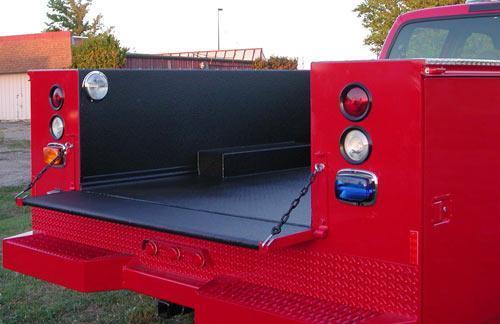
POLYURETHANE & POLYUREA
Spray Polyurethane Foam Insulation
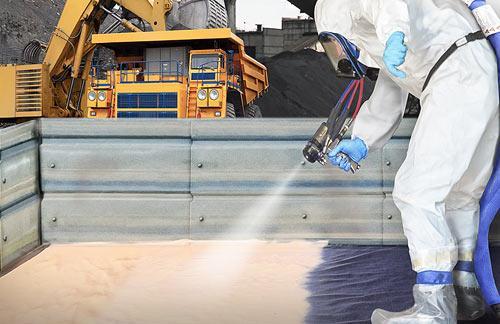
ACRYLIC & SILICONE
Acrylic & Silicone
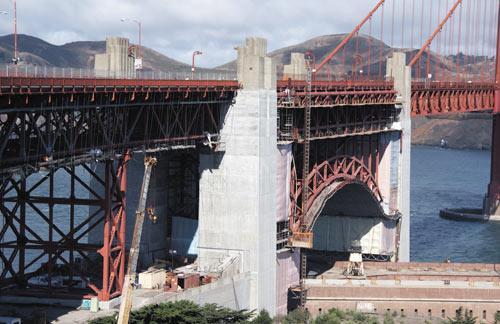
EPOXY COATINGS & LININGS
Epoxy Coatings & Linings
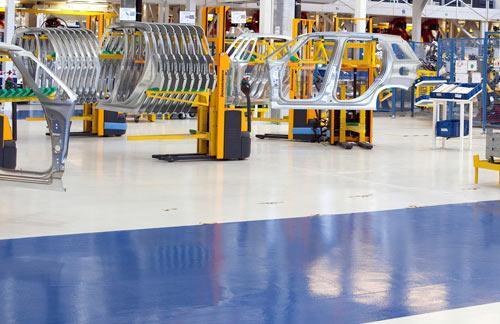
POLYASPARTIC FLOORS
Durable Coating & Crack/Hole Repair
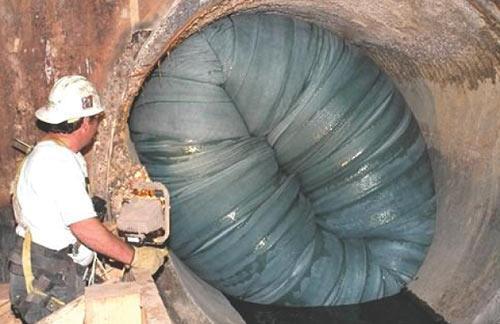
CIPP, COMPOSITES & VARTM
Cured In-Place Pipe, Composites, & Manufacturing
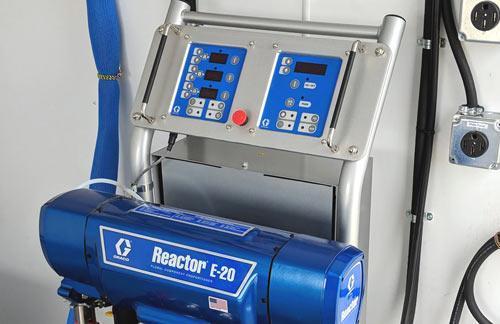
MACHINES
Spray Machines
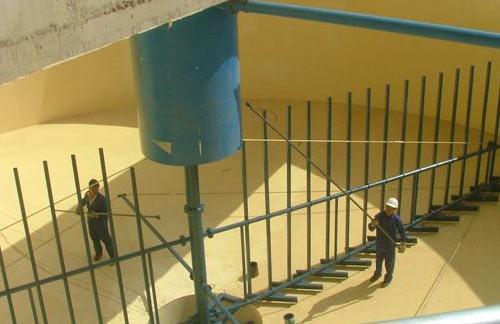
APPLICATIONS
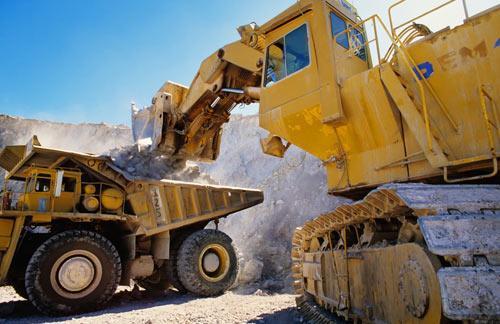
CONSTRUCTION EQUIPMENT
Durability, water resistance, energy efficiency
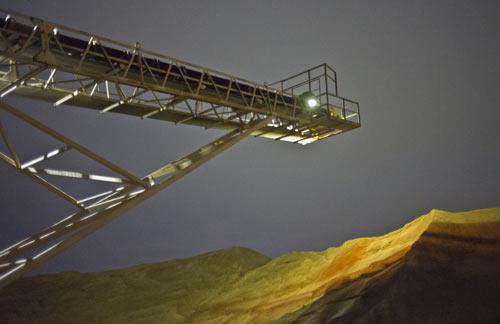
MINING
Protect Mining Equipment
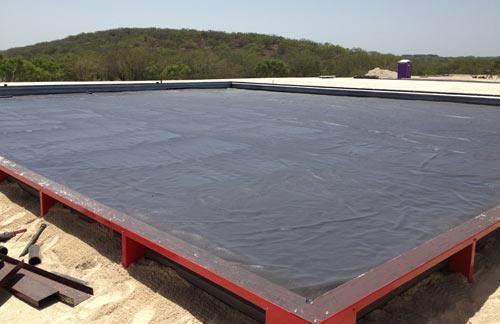
CONTAINMENT
Smart Investments to Protect Resources
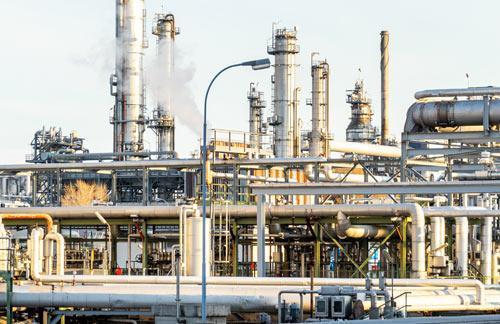
OIL & GAS
Time-Tested Products That Provide Long-Term Performance
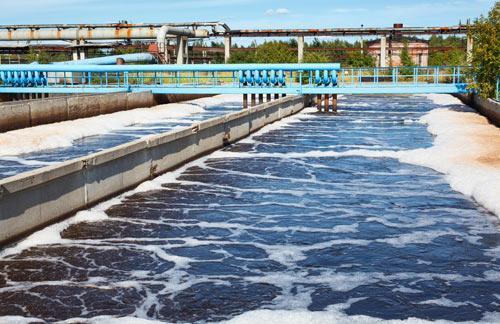
WATER-WASTEWATER
Excellent Stability for Immersion Applications and Chemical Resistance
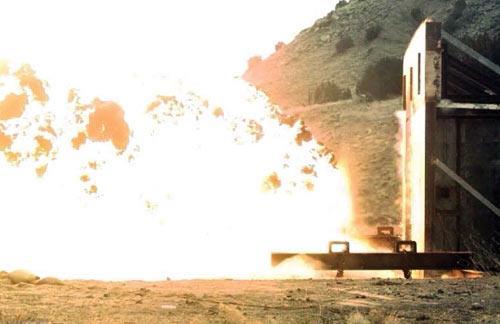
MILITARY BLAST & MITIGATION
Curtail Shrapnel & Deflect Energy
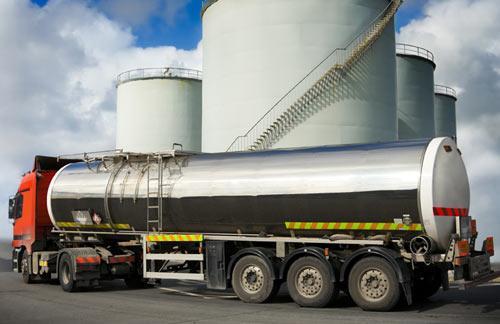
TRANSPORTATION & EQUIPMENT
VOC-Free and Designed To Reduce Maintenance Costs